AmÅA
exhibitions
EXHIBITIONS
from Alexandro Private Collections
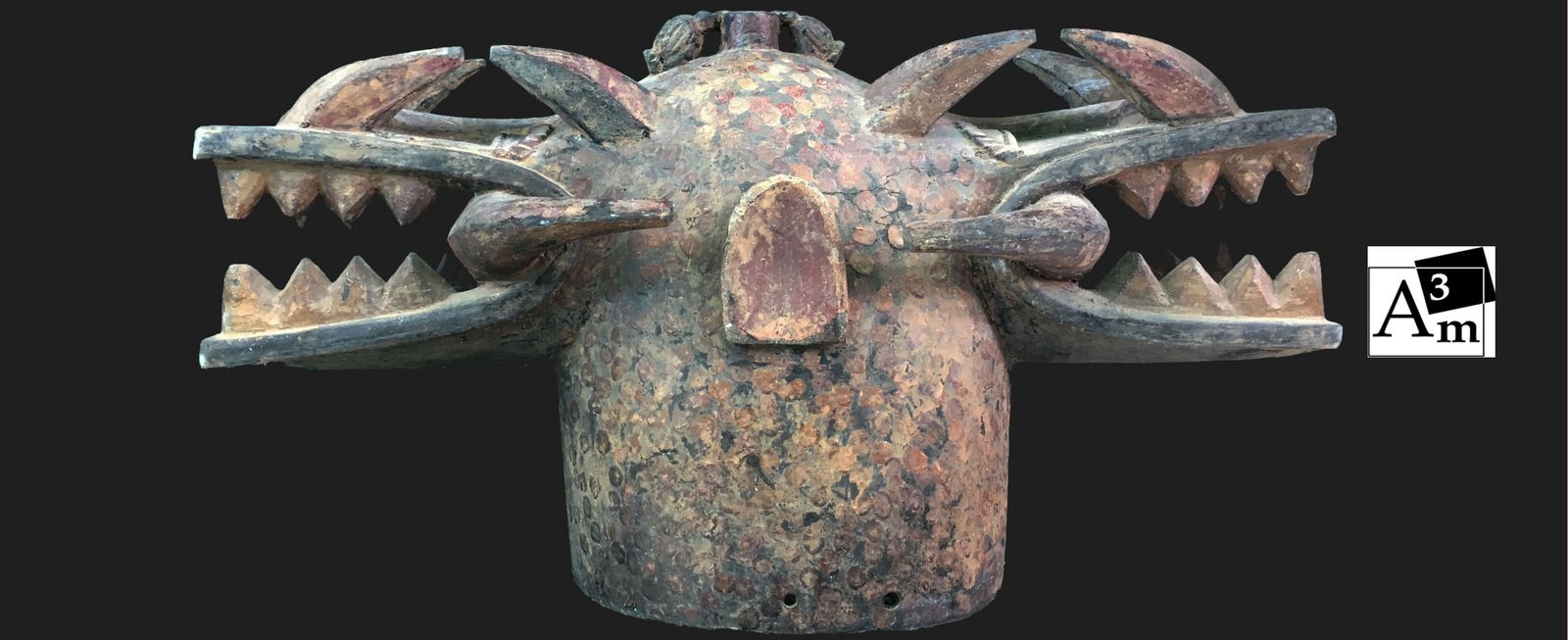
Fashion & Sacral Wedding Dolls of Lake Tanganyika

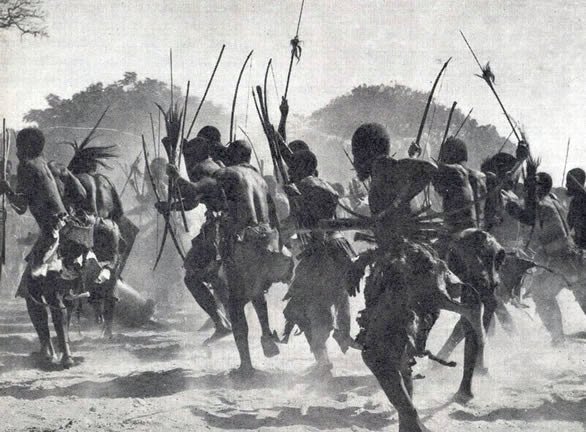
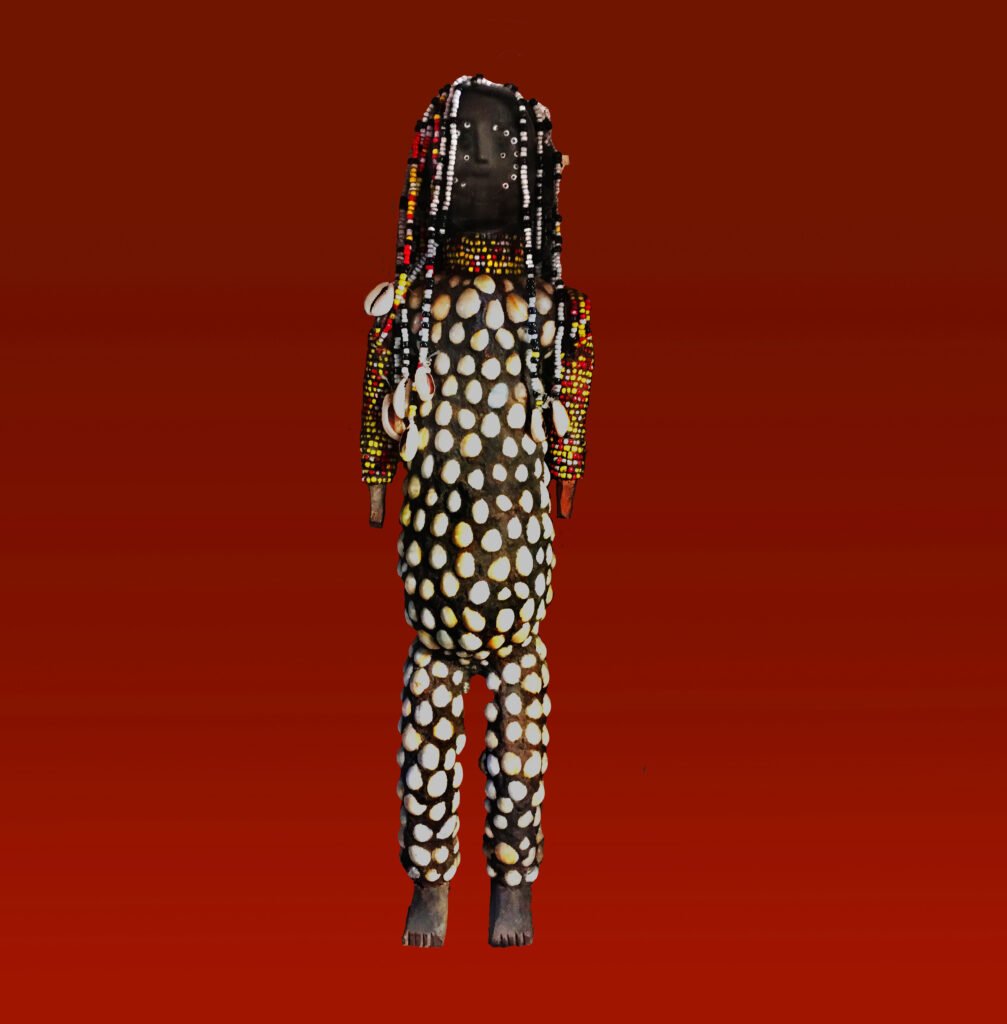
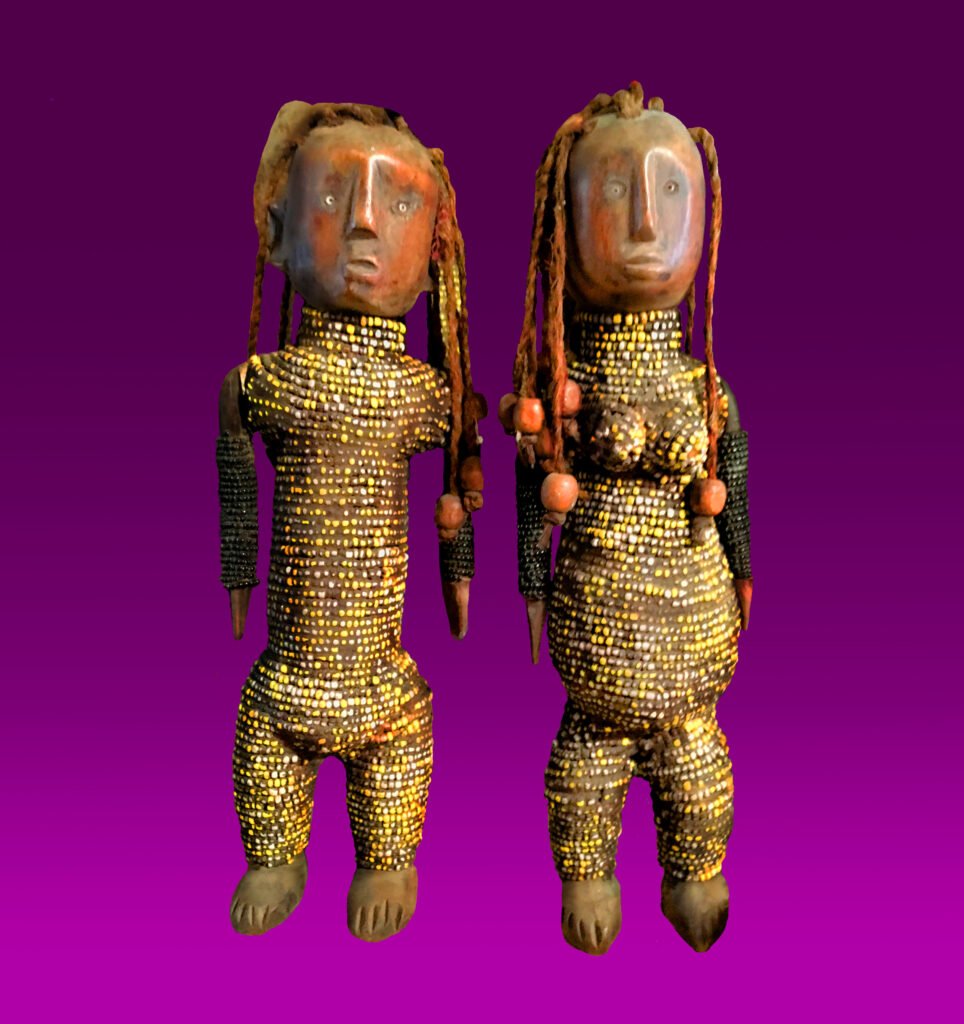
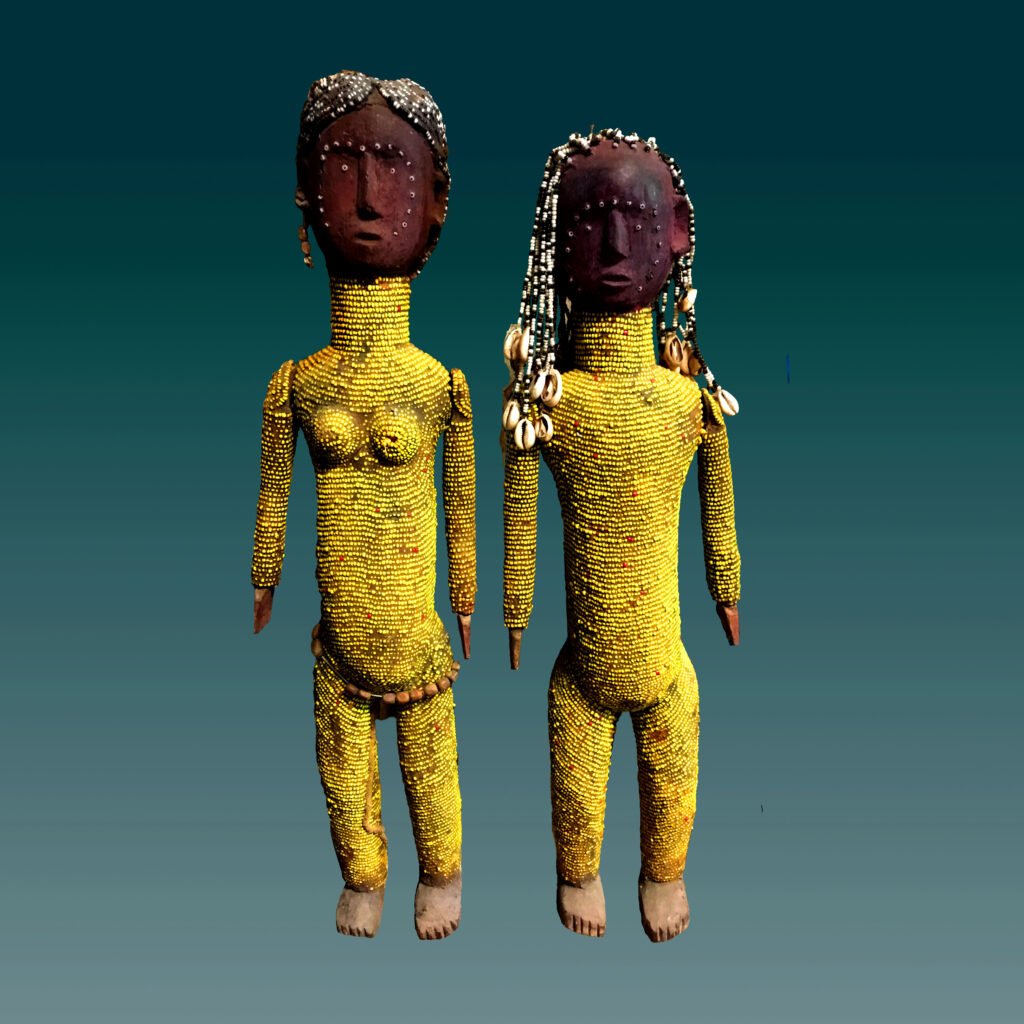
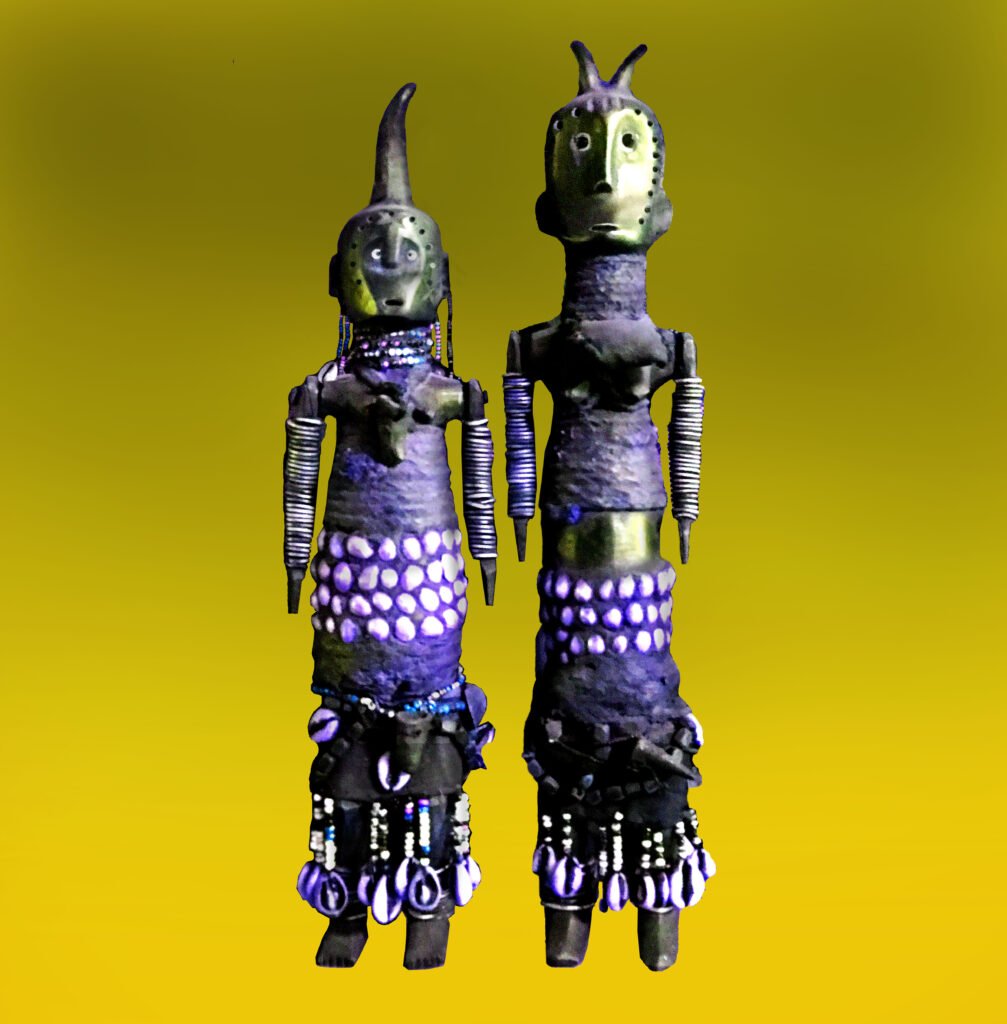
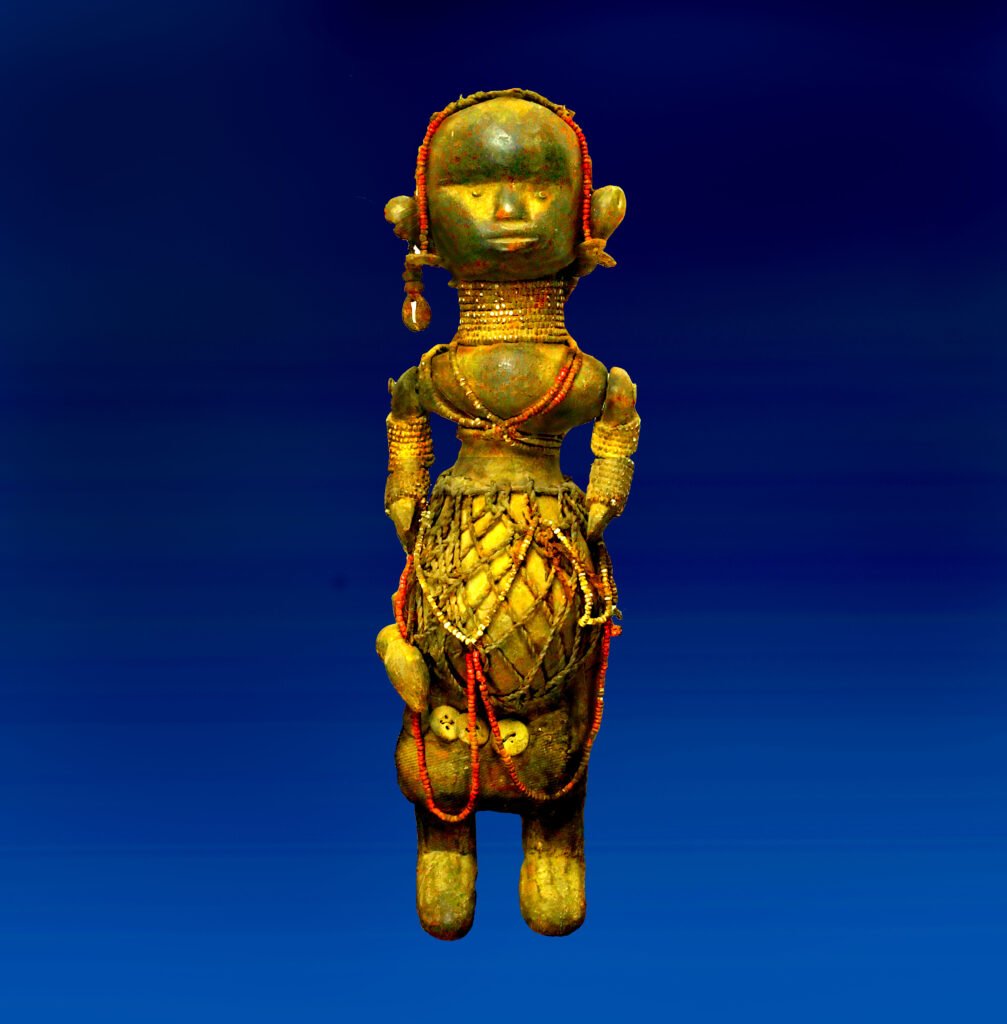
Harp and Lutes of Mangbetu people culture
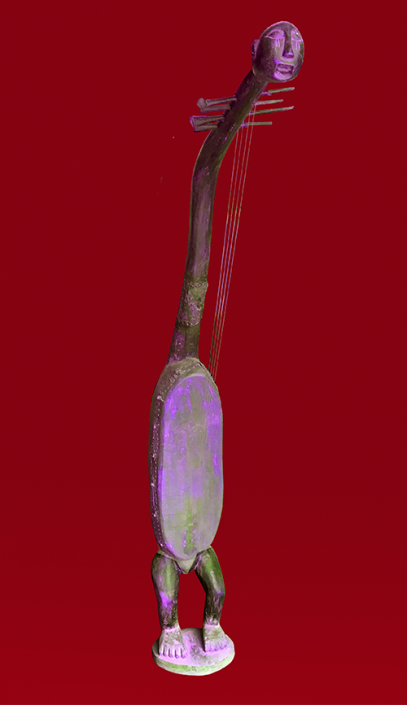
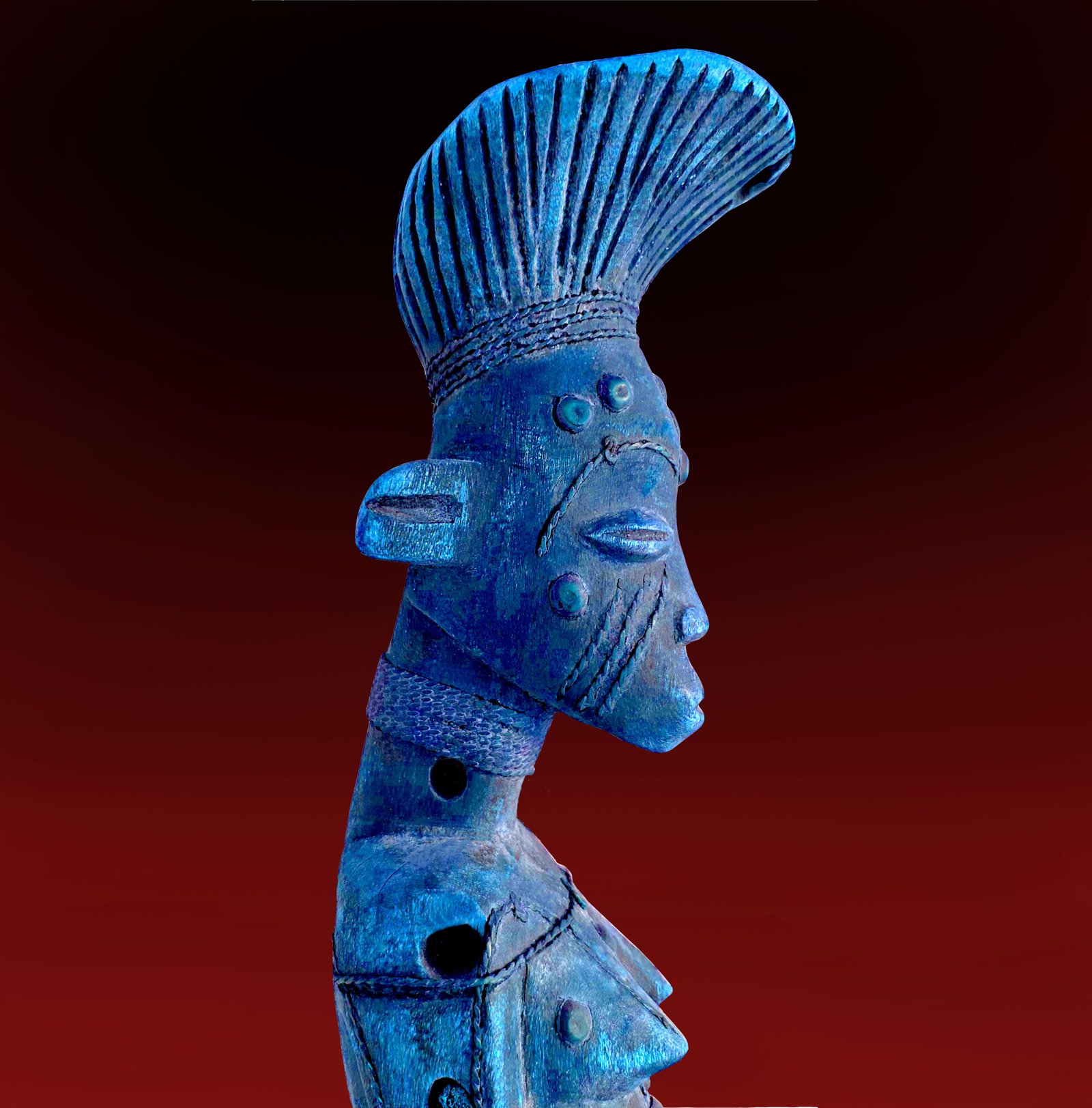
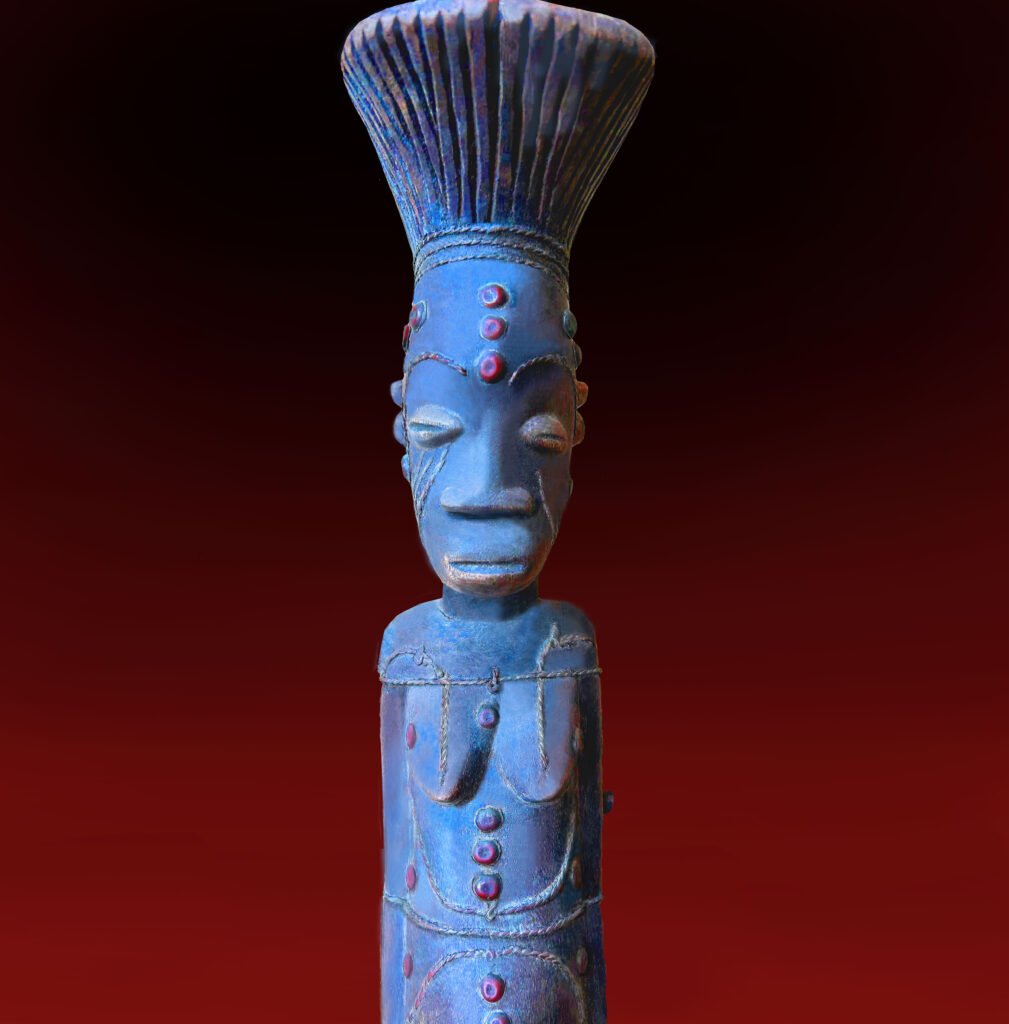
Mangbetu Figurative Harp (Domu)
Beg of 20th century
Mangbetu peoples, Congo
The Mangbetu peoples of North-eastern Democratic Republic of the Congo impressed early travelers with their political institutions and their arts, especially their remarkable skill as sculptors and musical instruments. As a result, American and European explorers alike started collecting Mangbetu art at the turn of the 20th century and were partly responsible for an escalation in production of distinctive Mangbetu anthropomorphic sculptural genres.
the instrument shows importance of music at the Mangbetu society. This instrument is a typical for Mangbetu modeled full standing female figure serves as the neck of the string instrument. Deliberate modelling and pricese stylish hairstyle so typical for Mangbetu society. Real ethnological features to study. Piece need some restoration, but is a good example of quality of the carving of Mangbetu art. The lute features the elaborate reed-reinforced flared coiffure called “tumburu”. This complex hairstyle was worn exclusively by ruling-class Mangbetu women. It was meant to accentuate the elongated shaped of the head achieved by massaging and tightly binding the heads of infants, which was considered as the ideal of Mangbetu beauty.
Harp stylistically and resemblance with Harp in Barbier-Mueller Museum, Geneva.
[AmAA-10121]
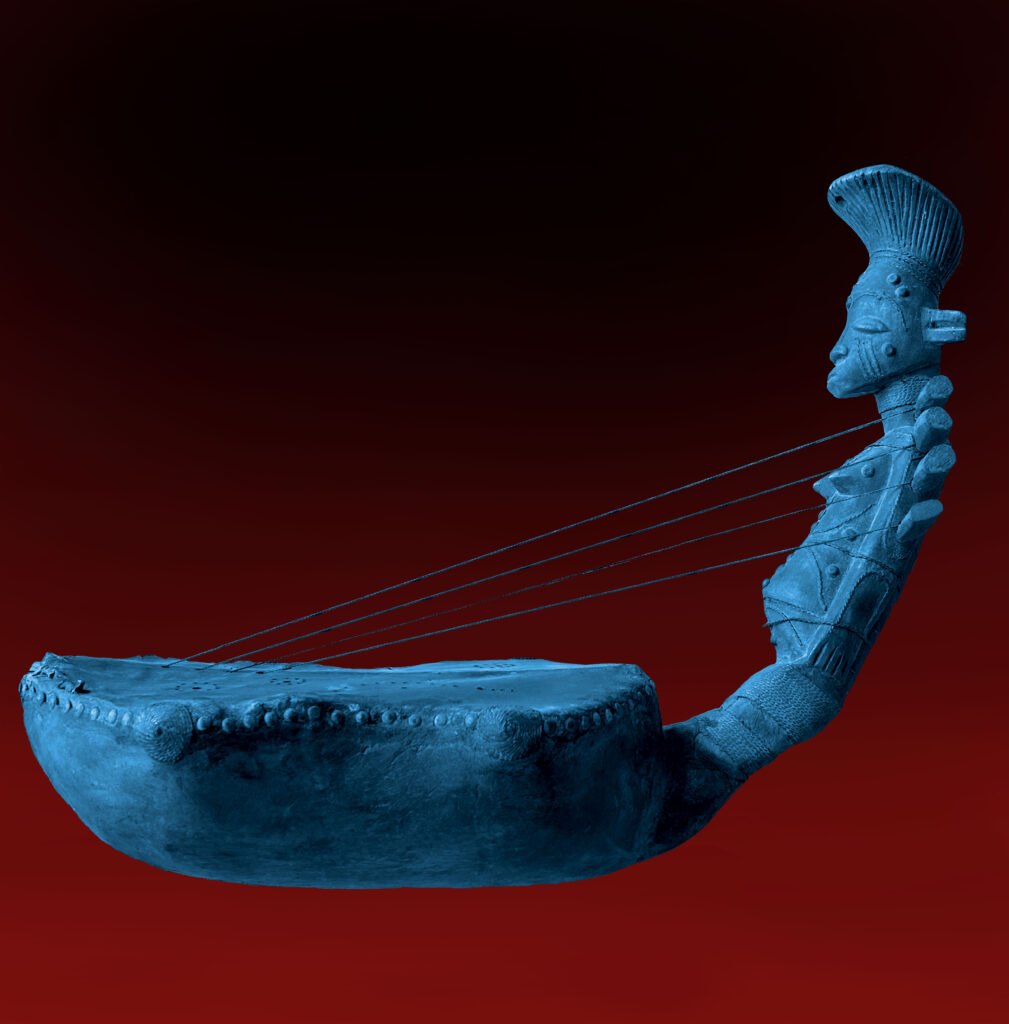
Mangbetu Figurative Harp (Domu)
Beg of 20th century
Mangbetu peoples, Congo
The Mangbetu peoples of North-eastern Democratic Republic of the Congo impressed early travelers with their political institutions and their arts, especially their remarkable skill as sculptors and musical instruments. As a result, American and European explorers alike started collecting Mangbetu art at the turn of the 20th century and were partly responsible for an escalation in production of distinctive Mangbetu anthropomorphic sculptural genres.
the instrument shows importance of music at the Mangbetu society. This instrument is a typical for Mangbetu modeled full standing female figure serves as the neck of the string instrument. Deliberate modelling and pricese stylish hairstyle so typical for Mangbetu society. Real ethnological features to study. Piece need some restoration, but is a good example of quality of the carving of Mangbetu art. The lute features the elaborate reed-reinforced flared coiffure called “tumburu”. This complex hairstyle was worn exclusively by ruling-class Mangbetu women. It was meant to accentuate the elongated shaped of the head achieved by massaging and tightly binding the heads of infants, which was considered as the ideal of Mangbetu beauty.
Harp stylistically and resemblance with Harp in Barbier-Mueller Museum, Geneva.
[AmAA-10121]
Nkisi-Ngono Symbolic Art
“Wizards versus Wizards”
New Album-Book is coming in 2027
“Wizards versus Wizards”
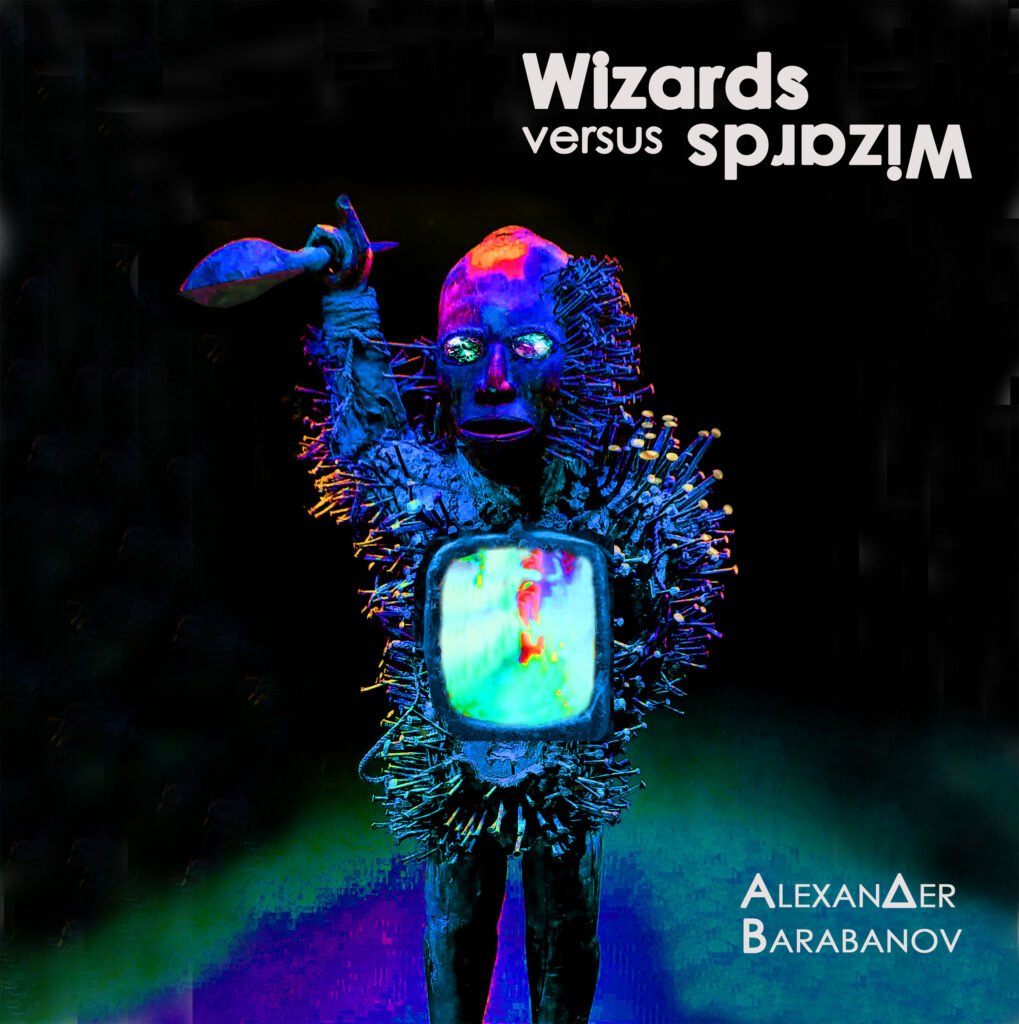
about Mkisi Ngono
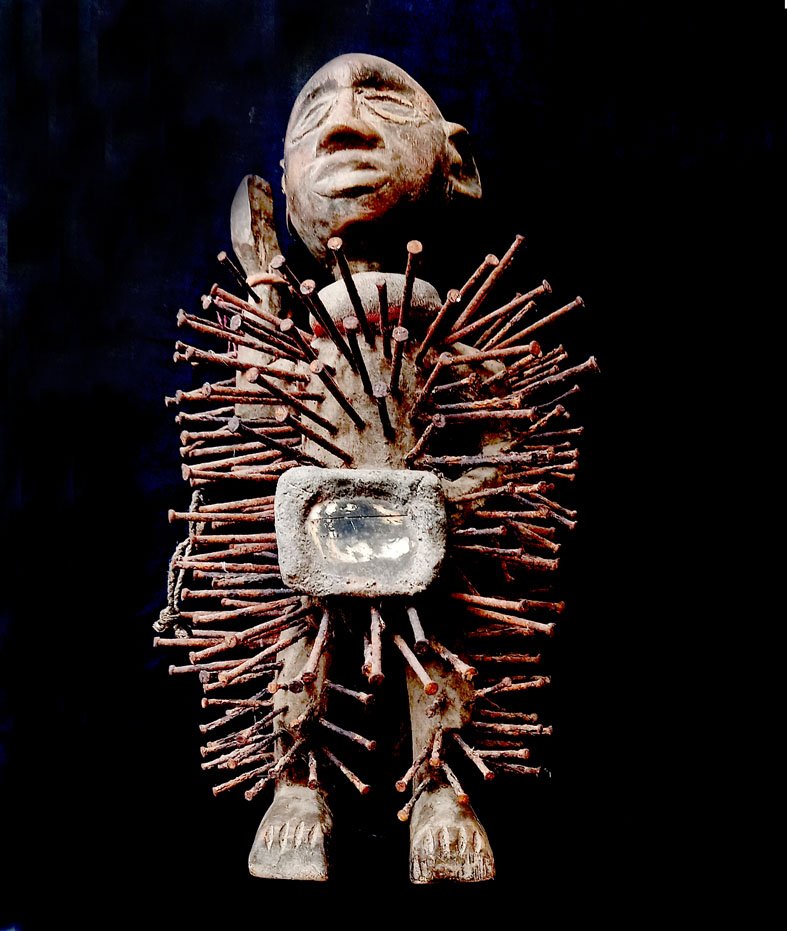
Nkisi Nkonde Power
Statuette.
Yombe people, Zaire (Congo DRC), South
West Africa.
Before 1950.
Hard wood, raw leather, iron, cloth, mirror, bag of medicine on the neck, other materials.
H: 42 cm, W: 25cm.
Alexandro Museum of African Art,
Nkisi Fetish Figure [AmAA-0250-FF]
Yombe and Songue tribes were living on the territory of Cabinda of Kongo Bassin. The tribes inheritance known as very artistic and practicing mysticism and
enigmatic rituals. One of the distinctive art form tribal spirit produces were Nkisi.
The Nkisi figures were determined by the powers to be associated with it and could be empowered to be a figure of ill-omen or of benevolence which protected against sickness or dangerous spirits. Empowering: The sculpture were commissioned to carver and after empowered by nganga (traditional spiritual leader – “wizard”) with power emanating from the unseen world of the dead, an omniscient force which is otherwise inaccessible to human perception. In being persuaded into taking up residence in a particular contained space, it can then be manipulated by the nganga. When a client required the use of the nkisi.
Further ceremony was performed by the nganga. An appropriately empowered figure was selected, and through chanting, singing and dancing, the nkisi spirit would be called upon to act. Clients – the person seeking protection – could also add small packets containing hair, fingernail clippings, shreds of clothing or other relics to remind the nkisi of the particular problem or of the person to curse or protect. Figures could also be anointed with the blood of chickens which were sacrificed as gifts to the nkisi. This was thought to make the nkisi aware of the violence that could be expected of it.
Materials: Among the many common materials used in the nkisi were local fruit, charcoal, mushrooms.
Minerals were collected from various places associated with the dead, such as earth collected from graves and riverbeds. White clay was also very
important in the composition of nkisi due to the symbolic relationship of the colour white and the physical aspects of dead skin as well as their moral rightness and spiritual positivity. White contrasted with black, the colour of negativity.
Some minkisi use red ochre as a colouring agent. The use of red is symbolic of the mediation of the powers of the dead. Minkisi (plural) serve many purposes. Some are used in divination practices, rituals to eradicate evil or punish wrong doers, and ceremonies for protective instalments. Many are also used for healing, while others provide success in hunting or trade, among other things. Important minkisi are often credited with powers in multiple domains. Most famously, figures also take the form of anthropomorphic and sometimes zoomorphic incarnation in wooden sculptures. Zoomorphic Nkisi from the Collection of the Trustees of the British Museum, London.
[Nkisi Nkodi Kongo, Zaire. Late 19th century. wood, iron, leather, Pigments. H: 180cm The Trustees of the British Museum, London. 1905.5.25.2]
Incarnation of Nkisi was presented by wolf, crocodile or gorilla. Details: The purpose of the mirrored glass was not only to seal the medicinal pack but also to reflect back negative energy channel from evil eye. It is difficult to proof, but this circumstance made conclusion that Nkisi was used as a power to fight evil. The mirror also against the gaze of the viewer, completely concealing what lies behind. The mirror symbolises the nkisi spirit’s ability to see the human world and the inability of humans to view the underworld. The glitter of the mirror was also believed to frighten witches and evil spirits away.
Nkisi Sculpture from Tervuren Museum, Bruxelles
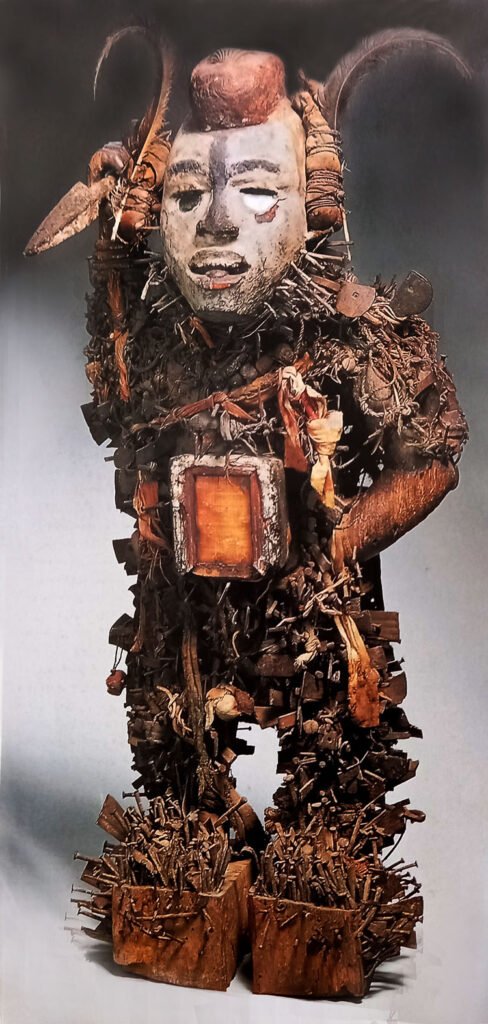
Nkisi Symbolic Art
Vienna Museum
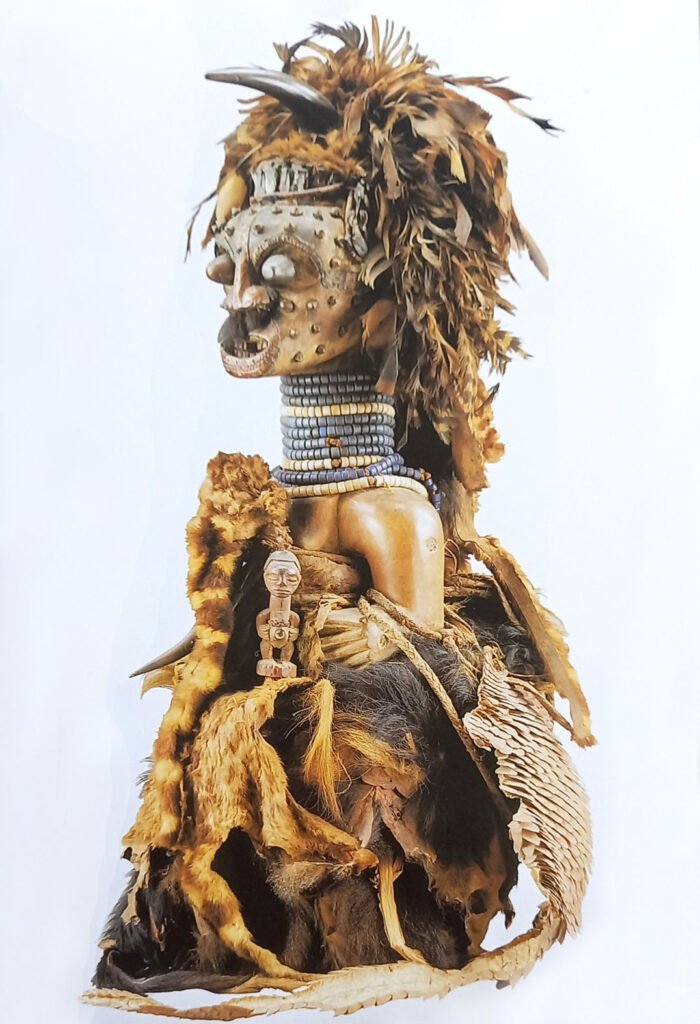
About the “Wizards versus Wizards” project
AmAA
PRIVATE COLLECTIONS
AmAA Project sponsored by
Q5Δ Laβ
READ MORE [ABOUT]